
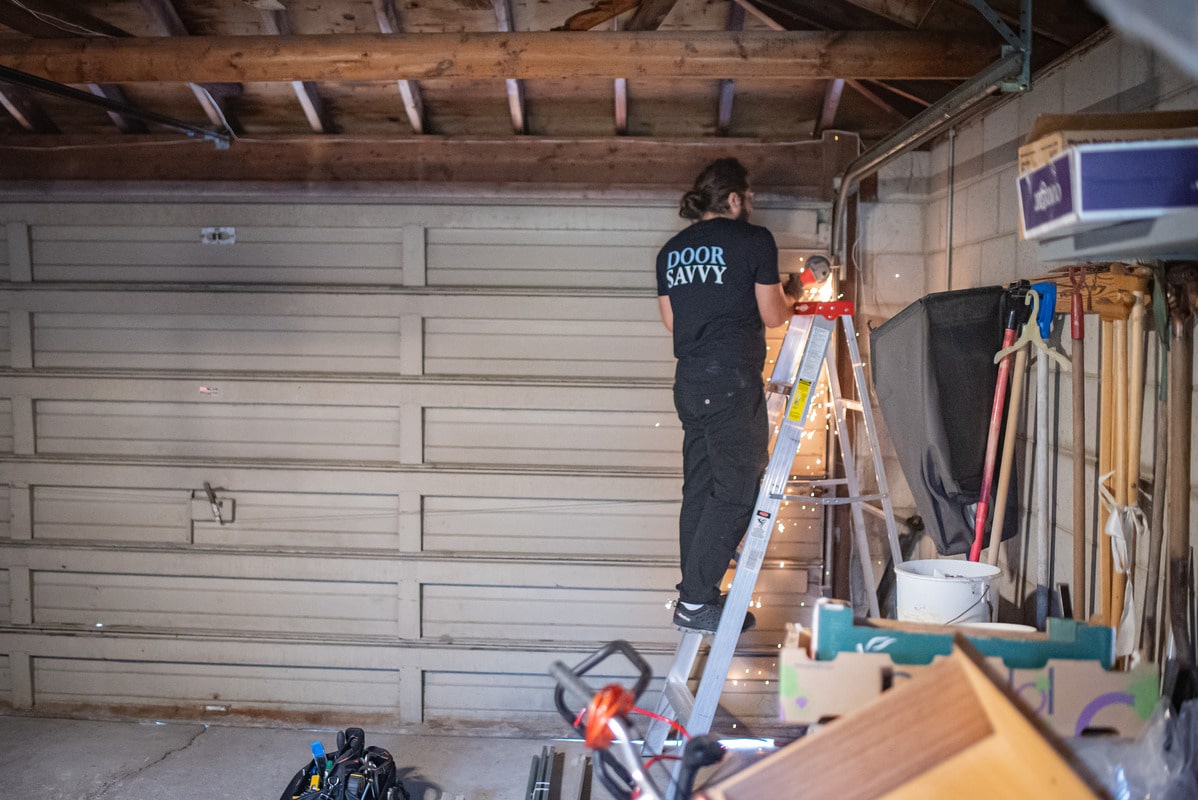
How to Fix a Garage Door Motor That’s Not Lifting
A malfunctioning garage door motor can bring your day to a halt, leaving your vehicle stuck inside or outside. While it’s a frustrating problem, the good news is that many garage door motor issues can be resolved with simple troubleshooting. Door Savvy, serving Windsor, London, Essex, and Middlesex, is here to guide you through common motor problems and practical solutions to get your door back on track.
Understanding Common Issues with Garage Door Motors
A garage door motor that won’t lift can stem from several problems. Recognizing these issues early helps you determine the best course of action. Some common reasons include:
- Broken Springs:
Springs bear much of the door’s weight. If they’re damaged, the motor may
struggle to lift the door. - Malfunctioning Motor:
The opener’s motor could have worn-out gears or electrical faults. - Track or Roller Issues: Misaligned tracks or faulty rollers can create
resistance. - Sensor Problems:
Safety sensors may be misaligned or dirty, preventing the motor from
operating. - Electrical Failures:
Power supply issues or damaged wiring can stop the motor from receiving
power.
Knowing what to look for is the first step in resolving the problem effectively.
Symptoms of a Faulty Garage Door Motor
Recognizing the signs of a malfunctioning garage door motor can save you from costly repairs. Key symptoms include:
- No Motor Response:
The motor doesn’t activate when using the remote or wall control. - Inconsistent Operation: The door opens partially or inconsistently.
- Unusual Noises:
Grinding or clicking noises often indicate mechanical issues. - Slow Movement:
A sluggish door suggests motor strain or internal wear. - Overheating:
Excessive heat from the motor after minimal use points to an underlying
issue. - Automatic Reversal Failure: The safety reverse system doesn’t activate when an
obstacle is present.
By identifying these signs early, you can take action before the problem worsens.
DIY Troubleshooting Steps for Garage Door Motor Issues
If your garage door motor isn’t lifting, try these steps to diagnose and potentially resolve the issue:
1. Verify the Power Supply
Ensure the opener is plugged in and check the circuit breaker or fuse box for
any tripped switches. Plug another device into the outlet to confirm it’s
working.
2. Replace Remote Control Batteries
Weak or dead batteries in your remote can disrupt communication with the motor.
Replace them and test the operation.
3. Inspect the Sensors
Check the safety sensors near the door’s base. Ensure they are clean, aligned,
and free from obstructions. Misaligned sensors can prevent the door from
functioning.
4. Manually Operate the Door
Use the emergency release cord to manually open and close the door. Resistance
during operation suggests an issue with the tracks, rollers, or springs.
5. Reset Travel Limits
Garage door motors have adjustable travel limits to control how far the door
opens or closes. Refer to your opener’s manual to reset these settings if
they’re misaligned.
6. Check Wiring Connections
Inspect wiring between the motor, control panel, and sensors for signs of
damage or loose connections. Tighten or replace as needed.
If these steps don’t resolve the issue, it may require professional repair.
When to Call a Professional
While some motor issues can be fixed with DIY solutions, others are more complex and require professional attention.
Call a licensed technician if you encounter:
- Persistent Electrical Issues: A professional can safely diagnose and repair wiring
faults. - Broken or Worn-Out Springs: Spring replacement is dangerous without proper tools
and expertise. - Internal Motor Damage: Issues like stripped gears or circuit board failures
need specialized repair. - Misaligned Tracks:
Professionals have the tools to safely realign tracks and rollers.
Seeking expert help ensures safety and effective resolution of the problem.
Motor Parts Replacement: What to Know
If your motor’s components are damaged, replacement may be necessary. Here’s a step-by-step guide:
- Identify the Faulty Part: Inspect the motor for worn-out gears, sprockets, or
circuit boards. - Purchase Compatible Parts: Refer to your opener’s manual or consult the
manufacturer for compatible replacements. - Disconnect Power:
Unplug the motor before starting any repair to avoid electrical hazards. - Follow Manufacturer Instructions: Use the opener’s guide to safely remove and replace
components. - Test After Repair:
Reconnect power and test the door’s operation to ensure the issue is
resolved.
For complex replacements, such as motor overhauls, it’s best to hire a professional technician.
Choosing the Right Professional:
Handyman vs. Specialist
When deciding between a handyman and a specialist technician, consider the complexity of the issue. Handymen may handle general repairs, but specialist technicians offer expertise tailored to garage doors.
Advantages of a Specialist:
- Extensive Training:
Specialists are certified in garage door systems. - Faster Diagnosis:
Experienced technicians identify and resolve problems efficiently. - Access to Quality Parts: Specialists use high-quality components for
long-lasting repairs. - Warranty Coverage:
Professional services often include warranties on parts and labor.
For issues involving motors, sensors, or springs, a licensed garage door technician is the best choice.
Why Choose Door Savvy for Garage
Door Repairs?
At Door Savvy, we pride ourselves on providing expert garage door services in Windsor, London, Essex, and Middlesex. Our team of certified technicians can quickly diagnose and repair motor issues, ensuring your garage door operates smoothly.
From routine maintenance to complex motor replacements, we’re here to help. Contact us today for reliable, professional service you can trust.
Conclusion
A garage door motor that won’t lift can be frustrating, but with proper troubleshooting and professional help when needed, it’s a fixable problem. Follow these tips from Door Savvy to address common motor issues and ensure your garage door remains reliable. Don’t hesitate to contact us for expert repairs in Windsor, London, Essex, or Middlesex.
FAQ
Common causes include broken springs, electrical issues, worn-out gears, or misaligned tracks.
Most motors last 10–15 years with proper maintenance.
Basic issues like sensor alignment or travel limit adjustments can be DIY fixes, but complex problems require professional repair.
Grinding or clicking sounds often indicate worn-out gears or loose hardware.
Always disconnect the power before working on the motor to avoid electrical hazards.
Yes, we provide fast, reliable repairs to keep your garage door running smoothly.